
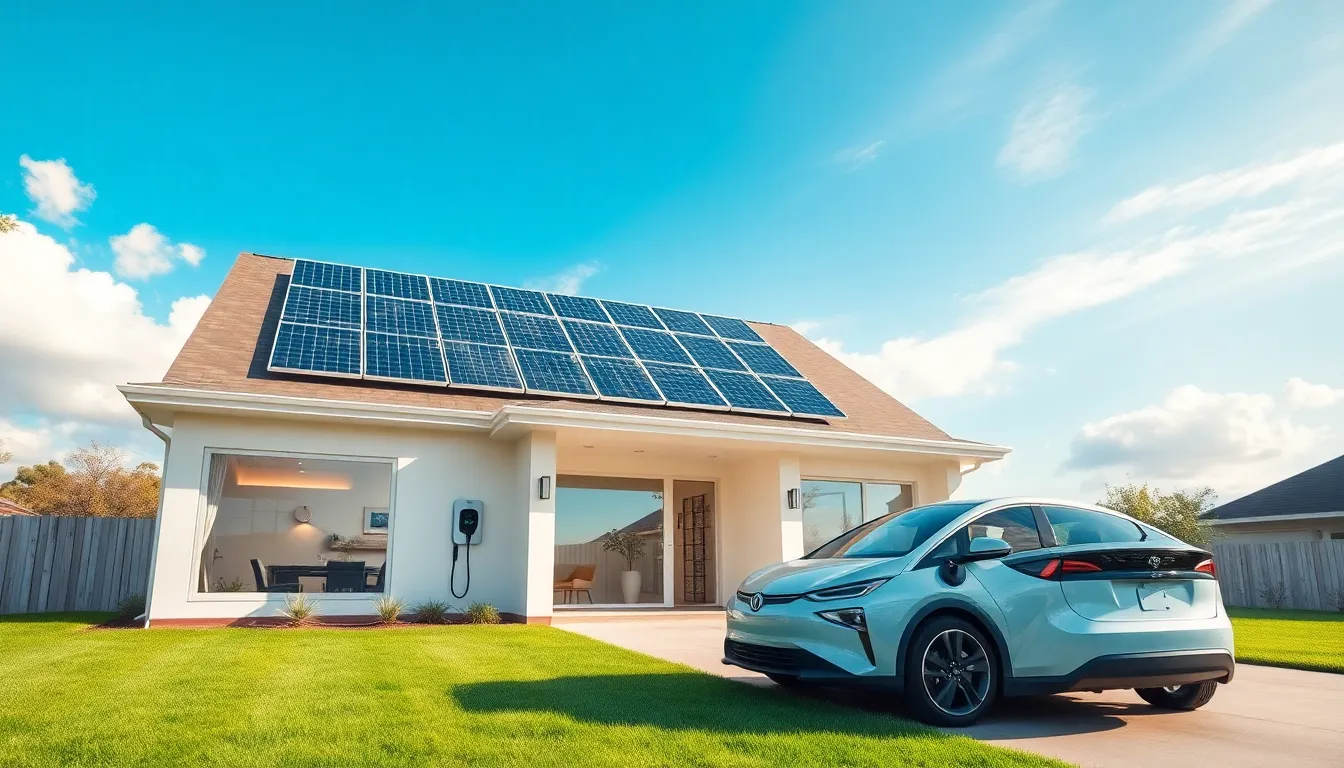
The best sustainable technology isn’t just a trend, it’s a fundamental shift in how people live, work, and consume. From solar panels on suburban rooftops to electric vehicles cruising city streets, green innovation has moved from niche to mainstream. Climate concerns, rising energy costs, and consumer demand have pushed companies to develop products that reduce environmental impact without sacrificing performance.
This guide explores what sustainable technology actually means, highlights the top innovations worth watching, and offers practical advice for choosing eco-friendly tech. Whether someone wants to lower their carbon footprint or simply cut utility bills, understanding sustainable technology opens doors to smarter, greener choices.
Table of Contents
ToggleKey Takeaways
- The best sustainable technology reduces environmental impact while delivering measurable benefits like lower energy bills and reduced emissions.
- Solar power leads renewable energy innovation, with residential panel costs dropping over 70% in the past decade.
- Smart home devices like thermostats and LED lighting can cut energy consumption by 10-75% with minimal effort.
- Look for Energy Star and EPEAT certifications to identify genuinely sustainable technology and avoid greenwashing.
- Federal tax credits and local rebates through programs like the Inflation Reduction Act make sustainable tech more affordable through 2032.
- Emerging innovations like carbon capture, perovskite solar cells, and AI-powered grid optimization will shape the future of sustainable technology.
What Is Sustainable Technology?
Sustainable technology refers to products, systems, and processes designed to minimize environmental harm while meeting present needs. The core principle is simple: use fewer resources, generate less waste, and create solutions that future generations can continue using.
This category covers a wide range of innovations. Renewable energy systems like wind turbines and solar panels fall under sustainable technology. So do biodegradable materials, water purification systems, and electric transportation. Even software counts, data centers powered by clean energy represent sustainable tech in action.
Three main criteria define the best sustainable technology:
- Environmental impact: Does it reduce carbon emissions, pollution, or resource depletion?
- Longevity: Can it operate efficiently over time without excessive maintenance or replacement?
- Scalability: Can this solution work for individuals, businesses, and governments alike?
Sustainable technology also addresses the full lifecycle of a product. This means considering raw material sourcing, manufacturing processes, energy consumption during use, and end-of-life disposal or recycling. A truly sustainable product performs well on all these fronts.
The distinction between “green” marketing and genuine sustainable technology matters. Some products carry eco-friendly labels but offer minimal environmental benefits. The best sustainable technology delivers measurable improvements, lower energy bills, reduced emissions, or extended product lifespans.
Top Sustainable Technologies to Watch
Innovation in sustainable technology accelerates each year. Certain categories stand out for their impact and accessibility.
Renewable Energy Solutions
Solar power leads the renewable energy revolution. Residential solar panel costs dropped over 70% in the past decade, making home installation practical for millions of households. Modern panels convert sunlight more efficiently than ever, with some models achieving over 22% efficiency rates.
Wind energy continues expanding beyond industrial wind farms. Small-scale wind turbines now serve individual homes and small businesses. Offshore wind projects generate massive amounts of clean electricity for coastal regions.
Battery storage technology has improved dramatically. Lithium-ion batteries store solar and wind energy for use during peak demand or cloudy days. New solid-state batteries promise even greater capacity with faster charging times.
Hydrogen fuel cells represent another promising direction. They produce electricity through a chemical reaction between hydrogen and oxygen, emitting only water vapor. Transportation companies and power utilities invest heavily in hydrogen infrastructure.
Energy-Efficient Smart Devices
Smart home technology helps people reduce energy consumption without constant attention. Smart thermostats learn household patterns and adjust heating and cooling automatically. Studies show these devices cut HVAC energy use by 10-15% on average.
LED lighting uses up to 75% less energy than traditional incandescent bulbs and lasts 25 times longer. Smart LED systems add dimming, scheduling, and motion sensing for additional savings.
Energy-monitoring devices track electricity usage in real time. Homeowners can identify energy-hungry appliances and adjust habits accordingly. Some utilities offer rebates for customers who install these monitoring systems.
Smart power strips eliminate phantom load, the energy devices consume while turned off but still plugged in. This phantom load accounts for up to 10% of residential electricity use. Smart strips cut power to idle devices automatically.
How to Choose Sustainable Tech for Your Lifestyle
Selecting the best sustainable technology depends on individual circumstances. Budget, living situation, and personal priorities all influence the right choices.
Start with an energy audit. Understanding current energy consumption reveals the biggest opportunities for improvement. Many utility companies offer free or low-cost home energy assessments. These audits identify air leaks, inefficient appliances, and areas where sustainable technology would have the greatest impact.
Consider upfront costs versus long-term savings. Solar panels require significant initial investment but pay for themselves within 6-10 years in most regions. Smart thermostats cost under $250 and typically recover that expense within the first year through energy savings.
Look for certifications. Energy Star ratings indicate products that meet strict efficiency standards. The EPEAT registry rates electronics on environmental performance. These certifications help consumers identify genuinely sustainable technology amid greenwashing claims.
Match technology to housing type. Renters might focus on portable solutions like smart plugs, LED bulbs, and energy monitors. Homeowners can pursue larger investments such as solar installations, heat pumps, or electric vehicle charging stations.
Think about integration. Many sustainable technologies work better together. Solar panels pair well with battery storage and electric vehicles. Smart thermostats connect with smart blinds and ceiling fans for comprehensive climate control.
Research local incentives. Federal tax credits, state rebates, and utility programs reduce the cost of many sustainable technology purchases. The Inflation Reduction Act of 2022 provides substantial incentives for solar, heat pumps, and electric vehicles through 2032.
The Future of Sustainable Technology
The best sustainable technology today will look basic compared to what’s coming. Several emerging trends signal where innovation is headed.
Carbon capture technology removes CO2 directly from the atmosphere or industrial emissions. Companies like Climeworks operate commercial direct air capture facilities. Costs remain high, but economies of scale should drive prices down as deployment expands.
Next-generation solar cells push beyond silicon. Perovskite solar cells achieve impressive efficiency in lab settings and cost less to manufacture. Researchers expect commercial perovskite panels within the next few years.
Grid-scale energy storage will transform how renewable power reaches consumers. Flow batteries, compressed air storage, and gravity-based systems offer alternatives to lithium-ion for storing massive amounts of energy.
Circular economy principles influence product design increasingly. Manufacturers build devices for easy repair, refurbishment, and recycling. Modular electronics allow component upgrades rather than full device replacement.
AI optimization makes sustainable technology smarter. Machine learning algorithms predict energy demand, route electric vehicles to available chargers, and balance power grids in real time.
Government policies accelerate adoption. The European Union banned the sale of new gasoline cars starting in 2035. Similar regulations spread across Asia and North America. These policies create guaranteed markets for sustainable technology and attract private investment.